Discover the Melody of Typography with Musical Notes
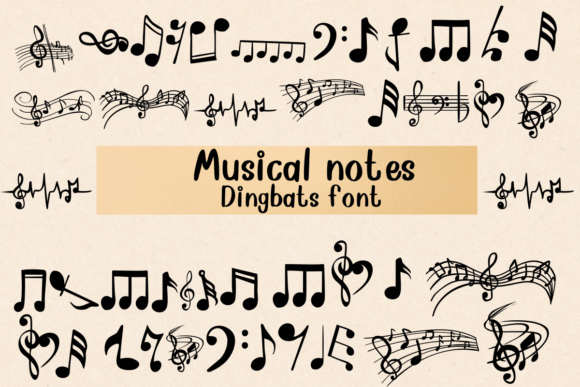
Typography is more than just letters and numbers; it's a form of expression that can convey emotion, style, and personality. One unique and creative approach to typography is Music Notes, a font where each character is represented by musical symbols. Instead of traditional letters, you'll see notes, clefs, and other music-related signs. This innovative font adds a playful and artistic touch to any design or document.
What Is Musical Notes?
Music Notes is a distinctive font that replaces standard characters with musical notation. For example, the letter "A" might be represented by a quarter note, while "B" could look like a half note. Numbers are also transformed, often using rests or other symbols. This font is ideal for anyone looking to infuse their work with a musical flair, whether for personal projects, professional designs, or creative expressions.
The font is not only visually appealing but also functional. It allows users to create text that is both readable and aesthetically pleasing, making it a versatile tool for designers, musicians, and artists alike.
Key Features of Musical Notes
- Unique Visual Identity: Each character is replaced by a musical symbol, giving your text a one-of-a-kind look.
- High Readability: Despite the unconventional design, the font maintains clarity, ensuring that your message is still easily understood.
- Flexibility: The font can be used in various contexts, from logos and branding to digital content and printed materials.
- Customization Options: Many versions of Music Notes allow for adjustments in size, spacing, and style to suit different needs.
Where Can You Use Musical Notes?
The versatility of Music Notes makes it suitable for a wide range of applications. Here are some common scenarios where this font can be effectively used:
- Event Promotions: Whether it's a concert, recital, or music festival, using Music Notes can add an engaging visual element to your promotional materials.
- Brand Identity: Businesses in the music industry, such as record labels, instrument stores, or music schools, can use this font to create a distinct brand image.
- Artistic Projects: Artists and designers can incorporate Music Notes into their work to add a musical theme or to highlight the connection between sound and visuals.
- Personal Communication: Individuals can use the font in social media posts, greeting cards, or personal blogs to express their love for music in a unique way.
Who Benefits From Using Musical Notes?
Music Notes is particularly beneficial for certain groups of people. Here are some examples:
- Music Educators: Teachers can use the font to create lesson plans, worksheets, or presentations that make learning about music more engaging.
- Graphic Designers: Professionals in the design field can leverage Music Notes to add a creative twist to their projects, setting them apart from competitors.
- Entrepreneurs: Business owners in the music or entertainment sector can use the font to build a memorable brand identity that resonates with their target audience.
- Students and Hobbyists: Those who enjoy music or art can experiment with Music Notes to enhance their creative projects and personal expressions.
Strengths and Considerations
While Music Notes offers many advantages, there are also some factors to consider before using it:
- Visual Appeal: The font is highly attractive and can significantly enhance the aesthetic of any design. However, overuse may lead to a cluttered appearance.
- Readability: Although Music Notes is designed to be readable, some symbols may be less familiar to those not accustomed to musical notation.
- Accessibility: Users with visual impairments may find it challenging to interpret the font, so alternative text or descriptions should be provided when necessary.
- Compatibility: Not all platforms or software may support the font, so it's important to test it across different devices and applications.
Real-World Applications of Musical Notes
Here are some practical examples of how Music Notes can be applied in real-life situations:
- Music Album Covers: Artists can use the font to create album covers that reflect the theme or mood of their music, adding a unique visual dimension to their work.
- Classroom Materials: Teachers can design flashcards, posters, or handouts using Music Notes to help students learn musical concepts in a fun and interactive way.
- Marketing Campaigns: Companies can incorporate the font into their marketing materials to create a memorable and distinctive brand presence.
- Personal Branding: Musicians, influencers, or content creators can use Music Notes to develop a unique personal brand that stands out in their respective fields.
How to Evaluate Suitability for Your Needs
Before deciding to use Music Notes, consider the following factors:
- Project Goals: Determine what you want to achieve with the font. Is it for aesthetics, functionality, or a combination of both?
- Target Audience: Think about who will be viewing your work. Will they understand and appreciate the musical symbols used in the font?
- Design Context: Assess whether the font fits well within the overall design of your project. Does it complement other elements, or does it clash?
- Technical Requirements: Ensure that the font is compatible with the tools and platforms you plan to use. Test it thoroughly before finalizing your design.
By carefully evaluating these aspects, you can determine if Music Notes is the right choice for your specific needs. Whether you're a designer, educator, musician, or business owner, this font offers a creative and expressive way to communicate your message through the language of music.